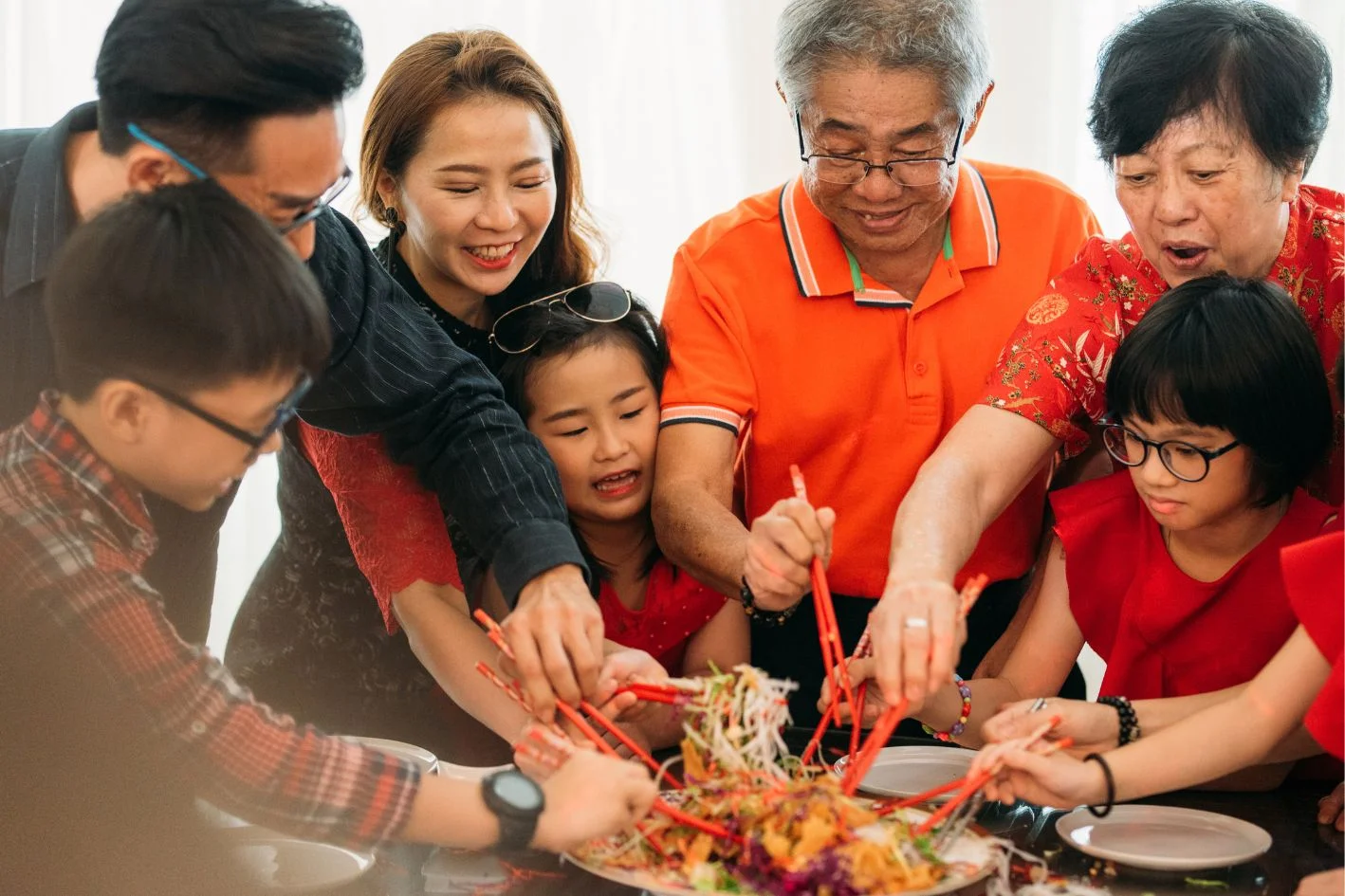
Sure, everyone is currently preoccupied with the spirited energy and legendary vitality of the Fire Horse year, but for some, the only fire on the horizon is the looming threat of a burning sensation in a swollen big toe. After surviving the calendar year end gauntlet of heavy roasts and celebratory drinks, diving straight into the rich and excessive dishes of the Chinese New Year creates a metabolic pressure cooker that’s just waiting for a reason to boil over. This period is less about galloping into new beginnings and more about navigating a ticking time bomb where one too many reunion delicacies could suddenly make the simple act of house visiting feel like an endurance test rather than a celebration.
The reality is that this potential for inflammation in the joints is a physical consequence of the consecutive indulgences that define the Singaporean social calendar during these months. As we transition from the heavy proteins of Christmas through the late-night toasts of New Year’s Eve and into the purine rich delicacies of Chinese New Year, our bodies often reach a breaking point where they can no longer keep up with the chemical demands of our diet. Before we can address how to prevent this buildup from ruining the festivities, it’s crucial to understand what is gout and why the specific foods we celebrate with are so effective at turning a joyful occasion into a painful reminder of our metabolic limits.
The Metabolic Gamble at the Reunion Table
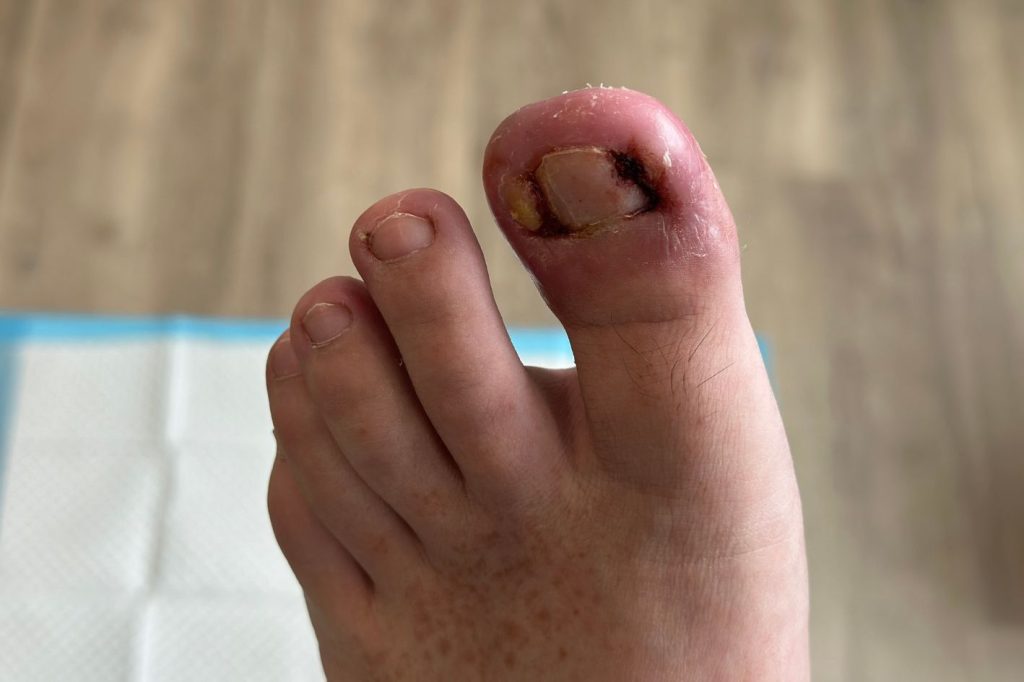
While many are busy calculating their points at the mahjong table or doubling down on a high-stakes round of blackjack, there’s a far more precarious gamble unfolding with every serving of braised abalone or celebratory toast. Approaching the festive spread with a sense of reckless abandon might seem like a natural part of the holiday spirit, yet for those susceptible to joint issues, each indulgent delicacy represents a literal wager against their own mobility. The problem with this particular game is that the house inevitably wins when the body is forced to process an overwhelming accumulation of uric acid that has been quietly building since the first Christmas roast. This sudden and sharp pain in the big toe (podagra) is far from a simple streak of bad luck, serving instead as a blunt physical reminder that festive excesses have finally overextended your metabolic credit.
This debilitating discomfort is the direct result of sharp crystals crystallising within the joints after a consistent intake of alcohol and purine rich food has pushed the bloodstream to its limit. When these levels spike beyond what the kidneys can effectively clear, the resulting inflammation and swelling can turn a lively afternoon of house visiting into a sedentary ordeal. The big toe often becomes the primary target because its distance from the heart makes it one of the coolest points in the body, which creates the perfect environment for uric acid to solidify into needle-like structures. While the toe is the most notorious victim of these festive gambles, these crystals can just as easily settle in the heel or ankle to leave you sidelined while the rest of the family continues the celebrations.
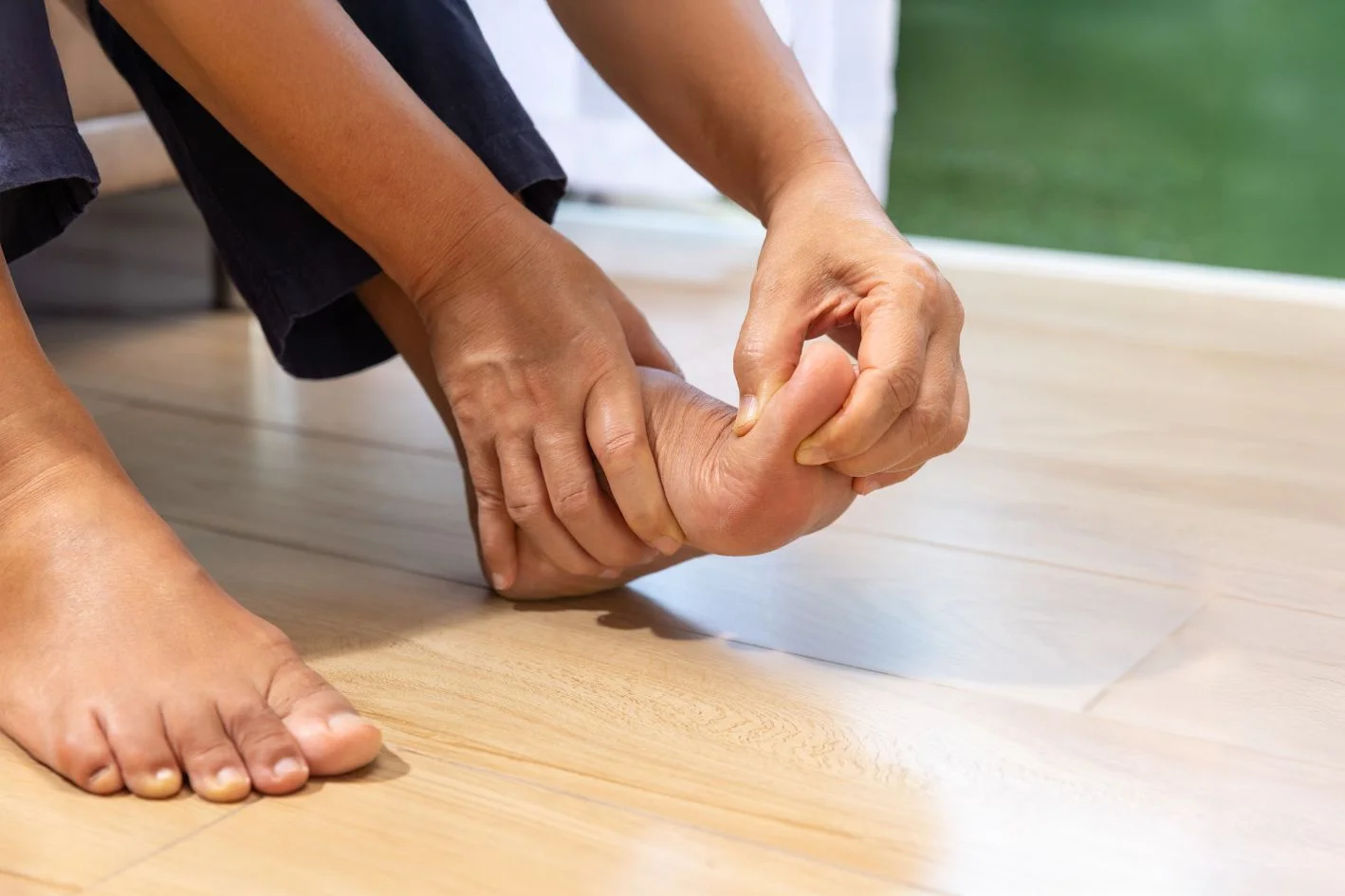
Need Help? See A Podiatrist Today
Identifying the Festive Triggers on the Reunion Table
Avoiding this painful aftermath starts with knowing exactly which festive treats are working against you at the dining table. While these shared meals are important for bringing everyone together, the reality is that many holiday favourites act as direct triggers for joint inflammation. Developing a better understanding of the foods that causes gout allows you to navigate the reunion table with far more control. This simple awareness is the most effective way to avoid a sudden flare up that could easily derail your visiting schedule.
- Alcoholic Drinks: Alcohol of any type increases uric acid production and slows its removal from the body meaning that beer, spirits, and wine can all contribute to an attack.
- Meats and Rich Gravies: Dishes made with roasted meats, stews, or rich gravies are popular festive choices that are typically high in purines which the body converts into uric acid.
- Seafood Delicacies: Items such as prawns, crab, and lobster occasionally appear on holiday menus and can contribute to higher uric acid levels when eaten excessively.
- Sugary Treats: Sodas, desserts, candies, and some Chinese New Year goodies contain high levels of fructose which stimulates uric acid production and can increase the risk of a flare up.
Savouring these delicacies doesn’t have to come with constant worry if you choose to eat in moderation to lower the likelihood of a gout attack. Staying hydrated with plain water throughout the day helps support kidney health and remains a vital part of managing uric acid levels effectively. Together, these mindful habits allow you to enjoy the indulgences of the season with greater peace of mind and ensure your focus remains on the celebration.
Gout Pain in Toe This Festive Season? Visit Straits Podiatry
The festive season is a time for joy and connection and is naturally filled with back-to-back gatherings and heavy reunion meals. Because these celebrations occur in such quick succession, it’s very likely one would dismiss a persistent ache in the foot as simple fatigue from an exhausting visiting schedule. Neglecting this minor discomfort is often a mistake because it can serve as an early warning sign of gout pain that will only intensify without professional intervention.
This is exactly where seeking early care makes a significant difference to your long-term foot health and comfort. At Straits Podiatry, we conduct thorough assessments to determine what’s the actual cause of your pain rather than just addressing the surface symptoms. Once the specific issue is identified, our podiatrists can then recommend targeted options such as Extracorporeal Shockwave Therapy (ESWT) to provide pain relief for your gout. Book an appointment today to ensure you can enjoy a pain free holiday season. This season, let the Horse be fiery, not your toe joint.