
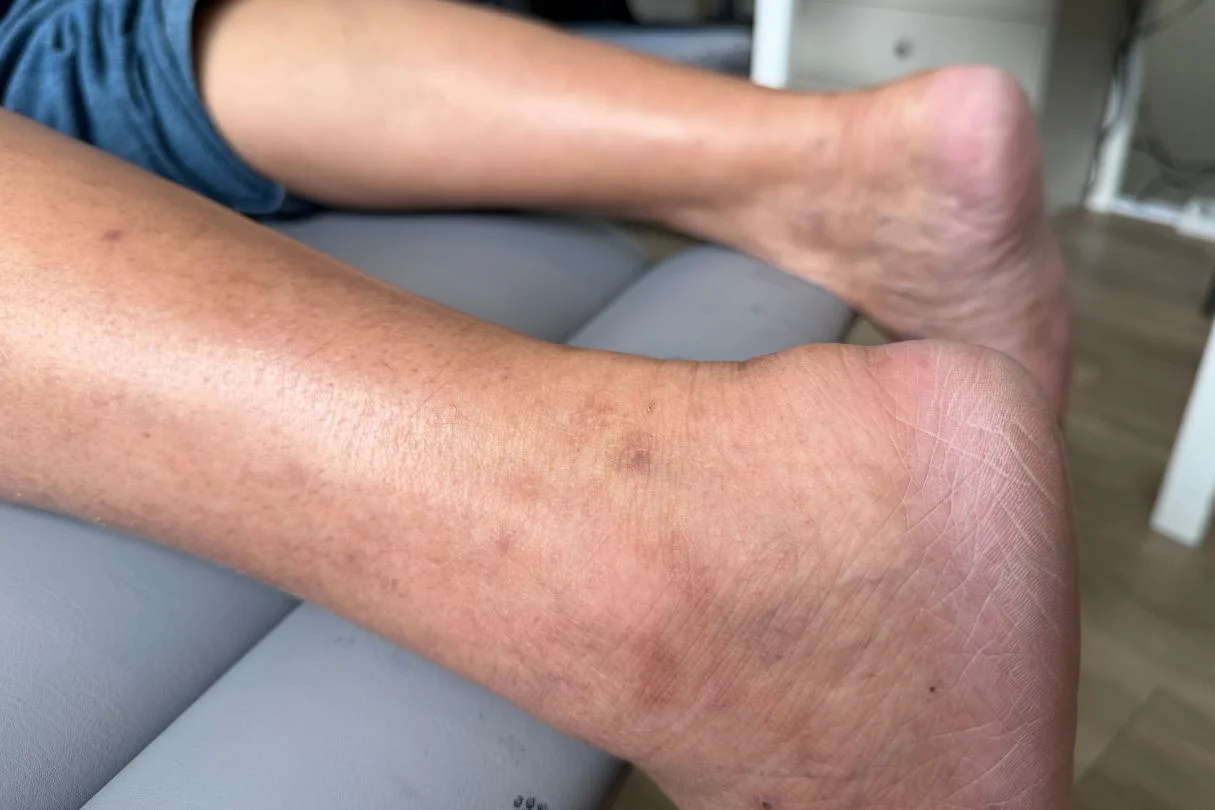
Heel pain has to be the most common foot complaint we see in our clinic, and it’s also one of the most misunderstood.
Most people assume:
- “It’s plantar fasciitis.”
- “It’s just a heel spur.”
- “I walked too much.”
- “It will go away.”
- “I need to do more calf stretches”
Sometimes that’s true. Often, it’s more nuanced.
If you’re experiencing heel pain, the real question isn’t just where it hurts. It’s why your heel is under so much stress in the first place.
1. Plantar Fasciitis (Most Common Cause)
Plantar fasciitis is irritation of the tissue under your foot that supports the arch.
Typical signs:
- Sharp pain during the first steps in the morning
- Pain after sitting
- Tenderness at the bottom of the heel
This condition usually develops when the plantar fascia is overloaded repeatedly, and often due to:
- Increased walking
- Long periods of standing
- Footwear that doesn’t match daily demands
In Singapore, where walking between transport links and standing while working are common, this pattern appears frequently.
2. Achilles Tendinopathy
Pain at the back of the heel may indicate involvement of the Achilles tendon rather than the plantar fascia.
This often presents as:
- Stiffness in the morning
- Pain during uphill walking
- Discomfort after prolonged activity
Unlike plantar fasciitis, Achilles tendinopathy is usually felt higher up, closer to the back of the ankle.

Need Help? See A Podiatrist Today
3. Heel Spur (Often Misunderstood)
A heel spur is a small bony growth visible on X-ray. Simply put, it is our body’s response to repeated stress at the junction where the tendons or ligaments attach to the bones.
Important: Many people have heel spurs without pain.
In most cases, the discomfort comes from irritated soft tissue and not the spur itself.
4. Heel Fat Pad Syndrome (Easily Misdiagnosed)
Repeated heavy heel strikes and long hours of standing can result in a contusion of the fatty cushion under our heel, leading to heel fat pad syndrome.
Usual symptoms include:
- Bruising pain under the heel when barefoot
- Pain that is worse with longer periods of walking or standing
- Pain that sometimes radiates to the sides of the heel
This condition is rarely explained, making it easily misdiagnosed by clinicians.
Why Timing of Pain Matters
The timing and onset of your heel pain actually give us important clues:
- Morning pain: indicates stiffening of tissues and muscle during rest
- Pain after walking: suggests that the tissue is unable to tolerate load
- Sudden severe pain during exercise: raise concerns of possible significant tissue damage
Understanding these patterns often clarifies the underlying issue more accurately than imaging alone.
Stop Trying to Isolate the Cause
Heel pain is rarely random or due to a single cause.
It’s usually a combination of:
- tissue load exceeding tolerance
- insufficient rest and recovery
- inefficient movement patterns (due to poor foot structure)
- poor choice of footwear
Addressing these factors early often prevents the pain from becoming chronic.
If you are struggling to understand the causes of your heel pain, consider seeing a podiatrist and take the right step forward.
You May Also like
Tagged podiatry