
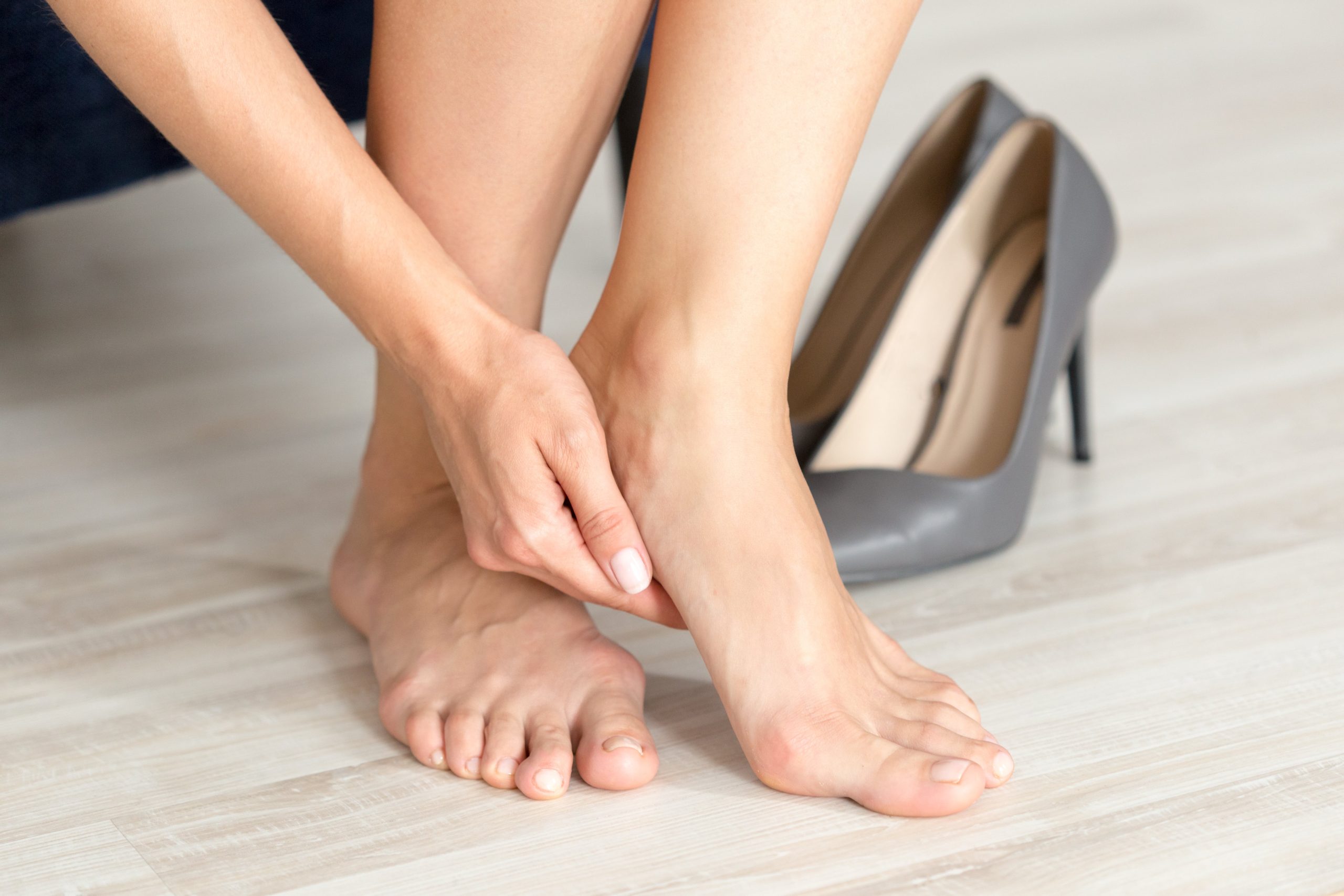
If you’re dealing with heel pain, chances are you’ve already tried the “usual advice” you found online:
Rest a bit.
Stretch your calves.
Change your shoes.
Maybe roll your foot on a frozen bottle.
And the best one yet: your heel pain will go away on its own.
Stretch your calves.
Change your shoes.
Maybe roll your foot on a frozen bottle.
And the best one yet: your heel pain will go away on its own.
And yet, for weeks or even months later, the pain is still there. Sometimes even worse than ever.
This is usually the point where our patients start wondering (before they came to see us): “Is this something I should actually get checked, or do I just need more time?”
As podiatrists, this is one of the most common frustrations we hear in the clinic.
Heel pain isn’t always just an “overuse” problem
Heel pain is often labelled as an overuse injury. While that’s not wrong, it’s also an incomplete explanation. There are easily at least 5 other causes of heel pain.
What we commonly see is that heel pain develops when:
- The foot is repeatedly loaded in a way it cannot tolerate well, or
- The tissues around the heel are not recovering properly between days
In other words, it’s not always how much you’re doing, but how your foot is coping with what you’re doing every day.
This is why two people can walk the same distance, wear similar shoes, and have completely different outcomes.
Need Help? See A Podiatrist Today
Why rest alone often doesn’t always solve the problem
Many patients tell us:
“I rested for a while, it felt slightly better, but the pain came back once I tried to walk or run a little longer again.”
So you can see, you’re not alone. That pattern is very common.
While rest can reduce symptoms temporarily, it doesn’t always address:
- How force travels through your foot
- How stiff or mobile your calf and ankle joint is
- How your calf, arch, and heel work together during walking
When these factors are left unaddressed, the heel simply gets irritated again once normal activity resumes.
That’s why heel pain can feel like it’s “never fully gone”.
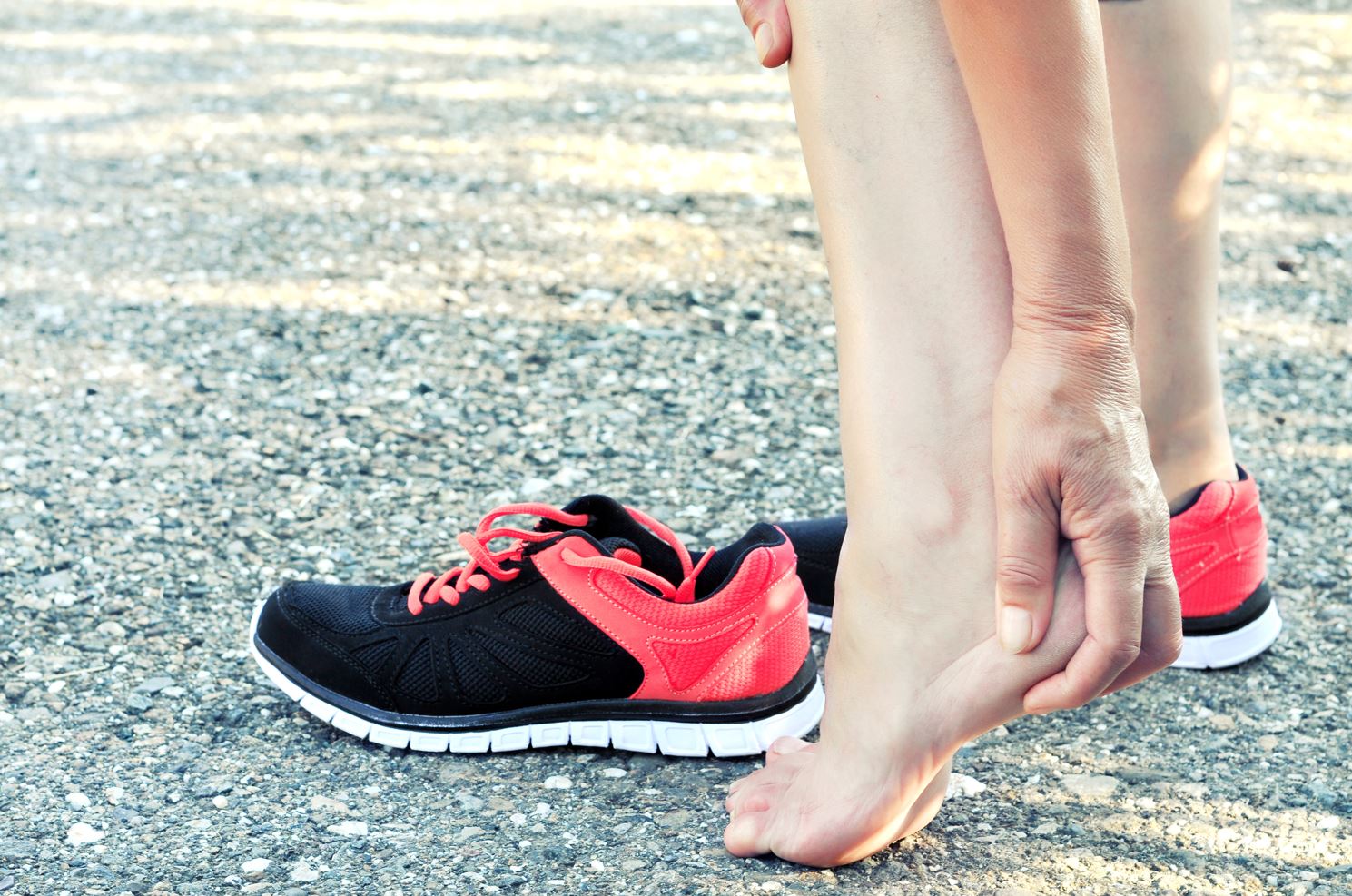
Morning pain is an important clue
One detail we always ask about is when the pain feels worst.
In the morning? Or typically at the end of a long day? Or whenever you walk barefoot?
Pain that is sharp during the first few steps in the morning, or after sitting for a while, usually tells us the tissue is:
- generally tight and prefers to recover in a “shortened” position
- struggling to handle a sudden load or stress
Bear in mind that this doesn’t mean the condition is severe. However, it suggests that the tissue is struggling to cope with stress and is calling for your attention.
This is also your body telling you that you might have an inflamed plantar fascia. Ignoring this early sign often leads to longer recovery timelines.
When heel pain lingers, something usually needs adjusting
Heel pain that keeps returning is often a sign that:
- The foot is being loaded inefficiently
- Support is insufficient for your activity level
- Strength and flexibility are out of balance
These are modifiable factors, but they rarely change on their own without guidance. Perhaps the easiest home remedy to start with will be some heel pain exercises.
Nonetheless, the good news is that most heel pain responds well when the underlying contributors are addressed early, before the body starts compensating elsewhere.
So what can you do
Heel pain that doesn’t settle isn’t a failure on your part, and it doesn’t always mean something serious is happening.
It simply means your foot needs a more tailored approach than generic advice.
Understanding why your heel hurts is often the first step toward getting it better and preventing it from becoming a recurring issue.
So if your heel pain is just not going away, we recommend you see a Podiatrist.
You May Also like
Tagged podiatry