
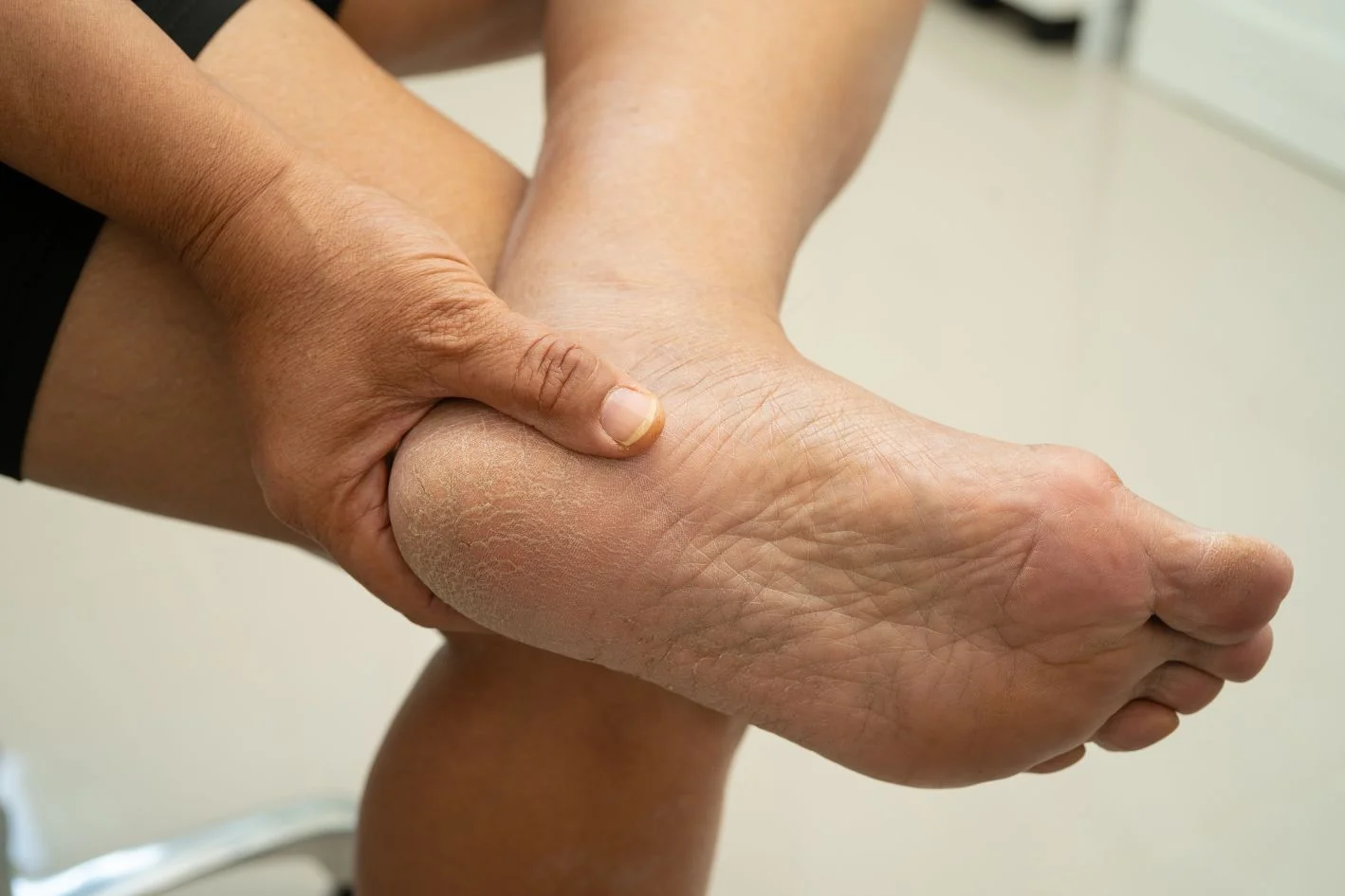
Heel pain is one of the most common reasons people seek foot care, and also one of the most misunderstood or misdiagnosed.
Many people assume heel pain is straightforward:
“It’s probably plantar fasciitis.”
“I just need better and more cushioning shoes.”
“It will settle if I rest long enough.”
“It will settle if I rest long enough.”
In reality, as we see in our clinic, heel pain is rarely caused by a single factor, and that’s where confusion often begins.
Heel pain is a symptom, not a diagnosis
One of the biggest misunderstandings is treating heel pain as a diagnosis rather than a symptom.
Pain at the heel can come from:
the plantar fascia
surrounding soft tissue, such as the fat pad
the Achilles tendon
altered load through the ankle or calf
changes in how the foot strikes the ground
Different structures can produce pain in a similar location, which is why heel pain can behave very differently from person to person.
Need Help? See A Podiatrist Today
Why imaging doesn’t always explain the pain
Some patients will come in with scans showing:
- heel spurs
- thickened tissue
- “degenerative changes”
- ligament injuries surrounding the heel
Others, however, have significant pain with normal imaging.
This often causes anxiety:
“If the scan looks bad, why does it sometimes feel okay?”
“If the scan looks normal, why does it hurt so much?”
“If the scan is so bad, why is that only my heel hurts?”
The truth is pain doesn’t always correlate neatly with imaging findings. What matters more is:
- how the tissue is being loaded
- how well it recovers
- whether movement patterns are stressing the same area repeatedly
This is why a clinical assessment is often more informative than imaging alone. And when the scans start showing lots of abnormalities, we always relate them clinically to your symptoms.

The role of daily load (and why weekends matter)
A pattern we frequently see involves inconsistent loading. Something new right? Here’s what we mean.
For example:
- sedentary weekdays but sudden increase in walking on weekends
- long hours in unsupportive shoes and have occasional intense activity
- returning to exercise too quickly with insufficient rest
- sedentary lifestyle but hikes mountains after mountains during vacation
The foot prefers a consistent, progressive load. Sudden spikes, even if infrequent, can irritate the heel repeatedly.
This explains why some people feel fine most days, but flare up after “just one long walk”.
Stretching helps — but only in the right context
Calf stretching is commonly recommended for heel pain, and it can be helpful.
However, stretching alone doesn’t address:
- foot stability
- how force is absorbed during walking
- whether the muscle, tendon, joints of the foot is being overloaded during push-off
In some cases, excessive or poorly timed stretching can even aggravate symptoms.
This is why a blanket “stretch more” approach doesn’t work for everyone.
Why heel pain becomes chronic for some people
Heel pain tends to linger when:
- early warning signs are ignored
- pain is repeatedly pushed through
- footwear and activity are not adjusted
- compensation patterns develop
Once the body starts compensating, discomfort may spread to:
- the arch
- the ankle
- the opposite foot
- even the knee or calf
Addressing heel pain early often prevents this cascade.
But the sad truth is that, even with repeated emphasis on early treatment, most patients will continue to push through their heel pain until it starts to disrupt their daily life.
The podiatry perspective
From a podiatry standpoint, managing heel pain isn’t just about settling symptoms. It’s about understanding why the heel is under stress in the first place.
When load, movement, and recovery are aligned, the heel usually settles far more predictably than people expect.
Be in control of your pain
Heel pain is common, but persistent heel pain is rarely “just bad luck”.
With the right understanding and adjustments, most people can return to walking, exercising, and daily life more comfortably — without constantly worrying about the pain coming back.
Be in control of your pain and see a Podiatrist if you need help.
You May Also like
Tagged podiatry