As parents, we are always concerned about our children’s health. One of the common foot conditions that affect children is ingrown toenails. It can cause discomfort, pain, and sometimes lead to infection if left untreated. In this article, we will discuss the causes, symptoms, and the best solutions available for ingrown toenails in children in Singapore to help you and your child get relief from this condition.
Understanding ingrown toenail in Children
Ingrown toenails in children occur when the edge of the toenail grows into the surrounding skin, causing pain and discomfort. It can affect any toe, but it is more common in the big toe. Ingrown toenails can be caused by a variety of factors, such as improper nail trimming by parents, wearing tight shoes, or injury to the toe.

Causes of ingrown toenails in children
Ingrown toenails in children can be caused by several factors, including:
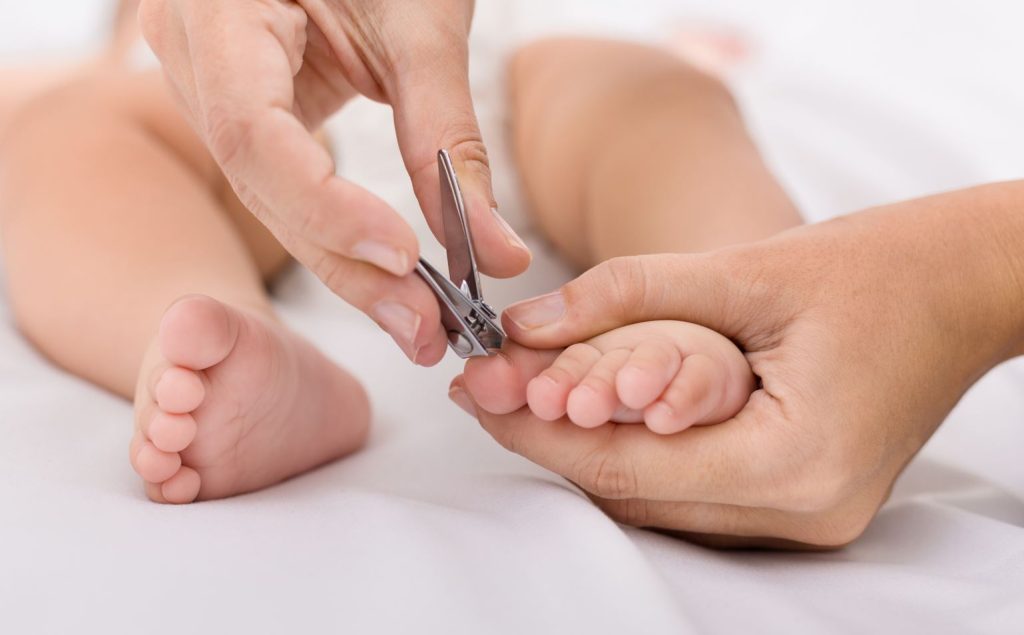
- Poor nail trimming techniques: Cutting the toenail too short or rounding the edges can cause the nail to grow into the surrounding skin.
- Tight-fitting shoes: Wearing shoes that are too small or narrow can put pressure on the toenails and cause them to grow into the skin. Learn how to select the right shoe for you.
- Injury to the toe: Stubbing the toe or dropping a heavy object on it can cause the nail to grow into the skin.
Signs and Symptoms
The most common symptom of an ingrown toenail in young children are pain and discomfort. Other symptoms include:
- Redness and swelling around the affected nail
- Tenderness to touch
- Pus or discharge around the nail
- Difficulty walking or wearing shoes
Need Help? See A Podiatrist Today
Treatment of Ingrown Toenails in Children
There are several treatments available in Singapore. The treatment options depend on the severity of the condition.
- Soak the affected foot in warm water: Soaking the foot in warm water for 15-20 minutes, 2-3 times a day, can help reduce pain and swelling.
- Nail trimming: Your podiatrist may trim the nail spike to provide immediate pain relief.
- Antibiotics: If the ingrown toenail is infected, your podiatrist may refer you to see a GP for antibiotics after the nail spike is removed.
- Surgical Treatment: This is rarely performed for children with ingrown toenails and is only conducted if the condition is very severe.
Conclusion
Ingrown toenails can cause significant pain and discomfort to the child if left untreated. It is important to seek medical attention if your child experiences any symptoms of an ingrown toenail. At Straits Podiatry in Singapore, our experienced podiatrists specialize in the management of foot and ankle conditions, including ingrown toenails. Contact us today to schedule an appointment and let us help your child get relief from this condition.

Frequently Asked Questions on Ingrown Toenails in Children
How do you treat an ingrown toenail in a child?
To treat an ingrown toenail on a child, there are several steps you can take. First, you should soak your child’s foot in warm water for 15-20 minutes, three to four times a day. This can help to reduce swelling and ease pain. You can also gently separate the edge of the ingrown toenail and the skin with a clean, sterile piece of cotton under it. This can help to lift the nail away from the skin and relieve pressure. If the pain persists, bring your child to see a podiatrist. If the ingrown toenail is infected, your child may need antibiotics.
Is it normal for kids to get ingrown toenails?
Yes, it is normal for kids to get ingrown toenails. This is because their toenails are very thin and sharp, they can also easily become misshapen or curved. Ingrown toenails in children can also be caused by tight shoes or socks, poor nail care, and injuries to the toenail. If your child has an ingrown toenail, it is important to address it as soon as possible to prevent infection and further complications.
When should I take my child to the podiatrist for an ingrown toenail?
If your child has an ingrown toenail and experiences severe pain, redness, swelling, or pus, you should take them to the podiatrist as soon as possible. These symptoms may indicate an infection that requires medical attention. Additionally, if your child has diabetes or other medical conditions that affect circulation or immune function, you should seek medical advice immediately.
Can a 7-year-old get an ingrown toenail?
Yes, a 7-year-old can get an ingrown toenail. Children of any age can develop this condition. However, it is more common in older children and teenagers who are more likely to wear tight shoes and engage in activities that can cause injury to the toenail.
How do you fix an ingrown toenail on a 5-year-old?
To fix an ingrown toenail on a 5-year-old, you should follow the same steps as for older children. Start by soaking the affected foot in warm water. You can then place a small piece of sterile cotton at the side of the nail to relieve pressure. If the toenail is infected or your child experiences severe pain, you should seek medical advice from a podiatrist.
What is the fastest way to fix an ingrown toenail in children?
There is no one-size-fits-all answer to this question, as the treatment depends on the severity of the condition. However, soaking the affected foot in warm water several times a day and gently lifting the edge of the nail can help to relieve pain and pressure. If the toenail is infected or your child experiences severe pain, you should seek medical advice. Your child’s podiatrist may prescribe antibiotics or recommend a minor surgical procedure to remove the ingrown portion of the nail.

Jackie Tey
Chief Podiatrist, B.Pod(Hons). Your foot and lower limb specialist passionate about raising awareness for foot and lower limb health.