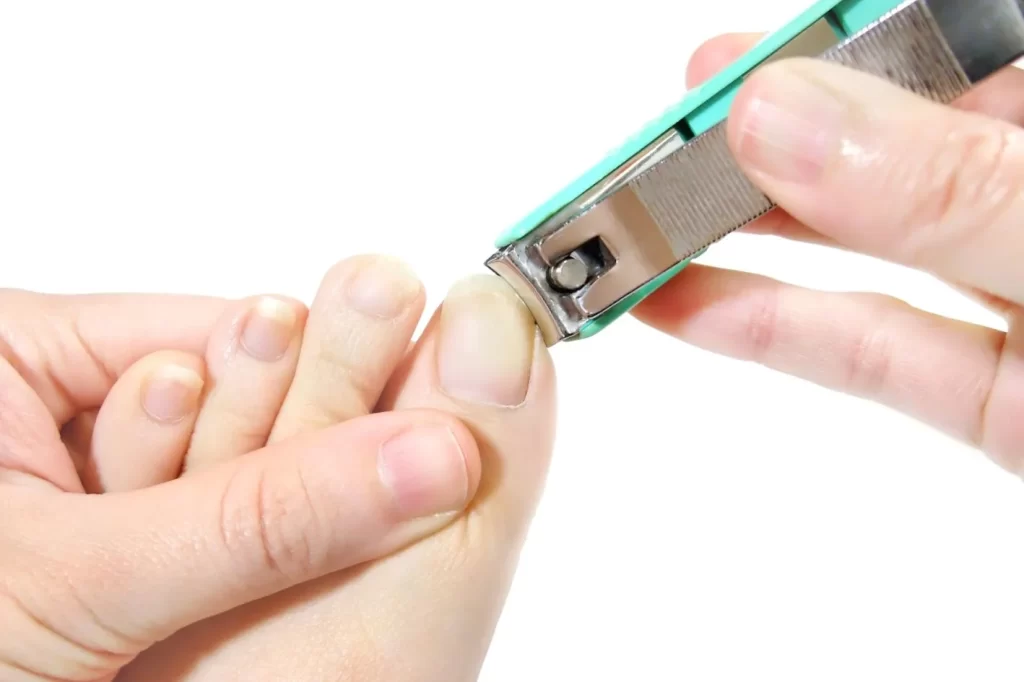

Sure, you might fancy yourself as Michiko Daimon from Doctor X, standing in the bathroom with nail clippers, a blade, a corn plaster, or some over the counter salicylic acid while thinking, “私、失敗しないので” (Watashi, shippai shinai node), which means, “I never fail.” That, in essence, is what bathroom surgery at home tends to look like. It’s the decision to cut out, dig out, shave down, peel off, or burn away a foot problem on your own, whether it’s a plantar wart, an ingrown toenail, or a foot corn or callus. The confidence behind it is easy enough to understand. After all, once people start looking online for removal methods at home, the whole idea can start to feel deceptively straightforward. It’s right there on the foot and it looks small, hence it might seem like something you should be able to deal with yourself.
However, that’s exactly where the logic begins to break down. What looks simple on the surface is often far less simple once you start interfering with it. A weird looking or uncomfortable spot on the foot isn’t always what you think it is, and even when you happen to guess correctly, that still doesn’t mean you know how to treat it safely. Unlike a podiatrist, you’re not working with a proper diagnosis, sterile instruments, or the training to judge how deep to go, what tissue you are actually looking at, or whether you’re messing it up rather than fixing it. So, while the do it yourself (DIY) instinct might feel understandable at first, confidence in the bathroom isn’t the same as clinical judgment. What begins as an attempt to save time, money, or hassle can very quickly lead to more pain, more irritation, more bleeding, and a problem that’s now more inflamed and harder to treat than it was to begin with.
When a Foot Problem Looks Simple but Isn’t
Some foot problems look minor because only the surface is visible. That can create a false sense of confidence. A lesion, toenail edge, or patch of thickened skin might look manageable enough at home, yet once you start cutting or picking at it, the area can become more inflamed and harder to treat properly.
Plantar Warts Aren’t Just Skin You Can Cut Away
A plantar wart can look like a small problem that simply needs to be removed, but that’s often where people get it wrong. It’s a viral skin lesion rather than just extra skin on the surface, so removing it yourself doesn’t address the actual cause. Worse still, repeated picking or cutting can irritate the area and might cause the virus to spread from the original site, allowing more warts to develop.
Ingrown Toenails Can Worsen When You Dig at Them
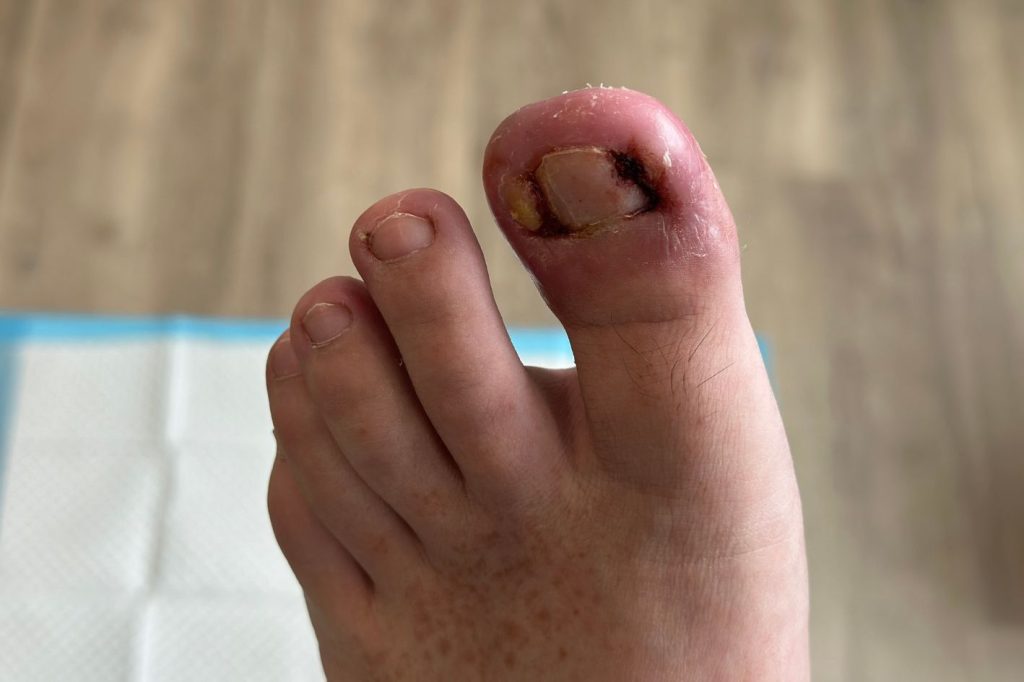
An ingrown toenail might seem simple enough to handle on your own, especially when the painful corner looks like the obvious culprit. Yet by the time it starts hurting, the surrounding skin is often already irritated, so digging at it, trimming deeper, or trying to lift the nail can worsen the trauma and sometimes cause bleeding. Once that skin barrier is broken, the risk of infection around the nail fold also increases, which is where paronychia can develop and leave the toe more swollen, more tender, and more painful than it was to begin with.
Corns and Calluses Can Come Back If the Pressure Stays
A foot corn or foot callus might look like hardened skin that simply needs to be shaved down, but that thickened surface usually forms in response to repeated pressure or friction rather than being the real problem itself. So even if part of it is removed at home, the same mechanical cause can still remain, which means it often comes back. Worse still, cutting too deep can injure healthy skin underneath, leaving the area raw, painful, or more prone to bleeding and infection.
Need Help? See A Podiatrist Today
What Should You Do Instead?
If your next move is to head for the bathroom, assemble the tools, and start playing doctor, that’s probably the moment to bin the idea. A painful spot on the foot, a swollen toenail corner, or a patch of hard skin that keeps coming back isn’t cue for you to start cutting and think later. It’s a sign that your foot problem needs proper assessment, not more interference from you.
Once you start messing with it yourself, the risk isn’t just limited to getting the treatment wrong. You can worsen the irritation, make the problem harder to assess properly, and turn what might have been a manageable issue into a more difficult one. It should be assessed properly by a podiatrist, so the actual problem can be identified and managed appropriately right from the start.
Skip Bathroom Surgery and Visit Straits Podiatry Instead
Some foot problems don’t stay small just because they start small. A spreading plantar wart, an ingrown toenail growing more inflamed, or a foot corn or foot callus that keeps returning can all become more frustrating when the real issue has never been properly identified. So, if you have already reached the point of wanting to cut, pick, shave, or dig at it yourself, that’s usually the point to stop and get proper help instead.
At Straits Podiatry, the aim isn’t simply to look at the surface and guess. It’s to assess what the problem actually is, explain why it’s happening, and guide you on the most appropriate next step before things become more irritated or more difficult to deal with. Book an appointment today for a professional assessment, especially if your foot condition is painful, recurring, or already tempting you into bathroom surgery. Remember, you’re not Michiko Daimon, and your bathroom isn’t an operating theatre.