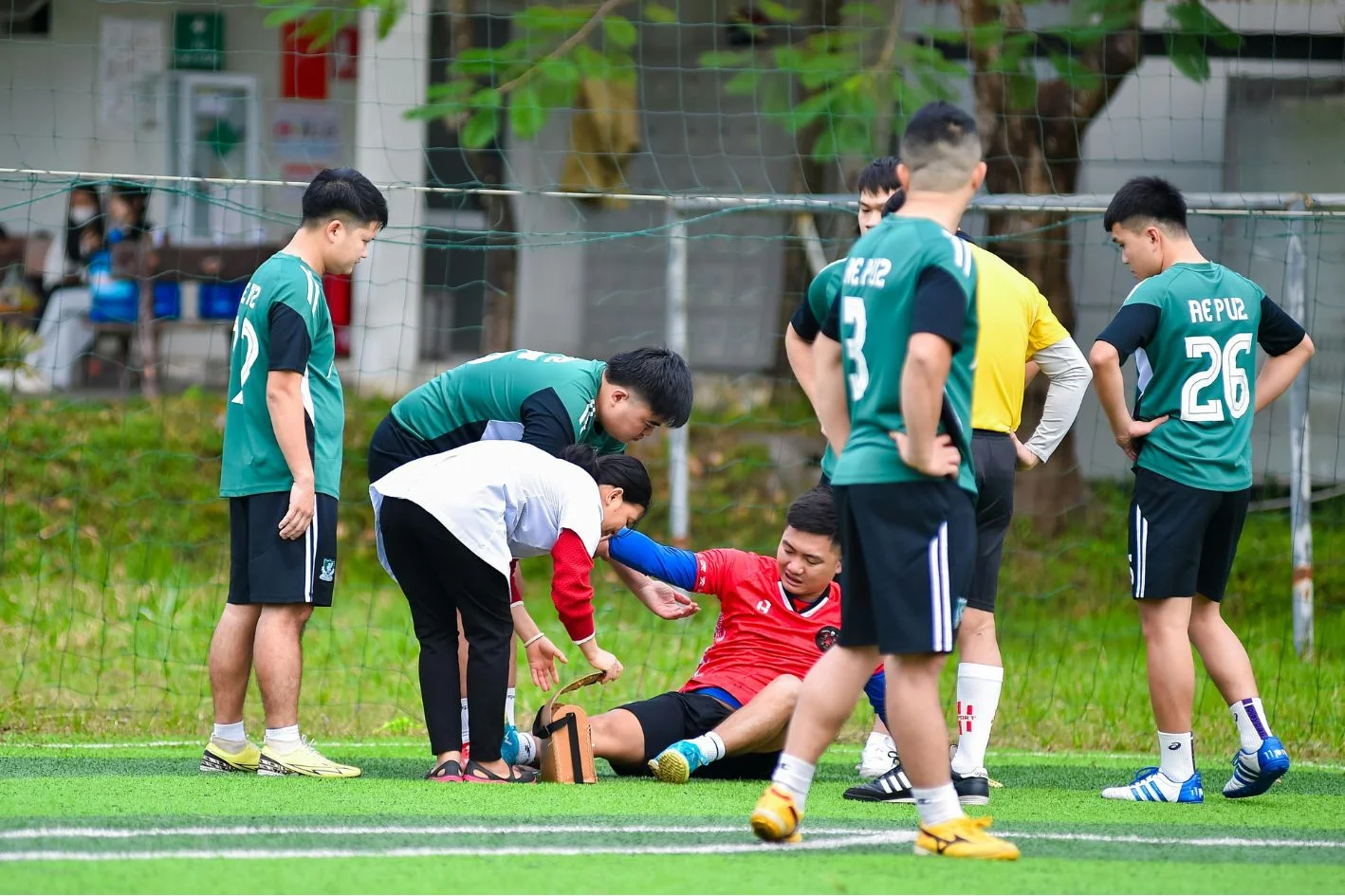
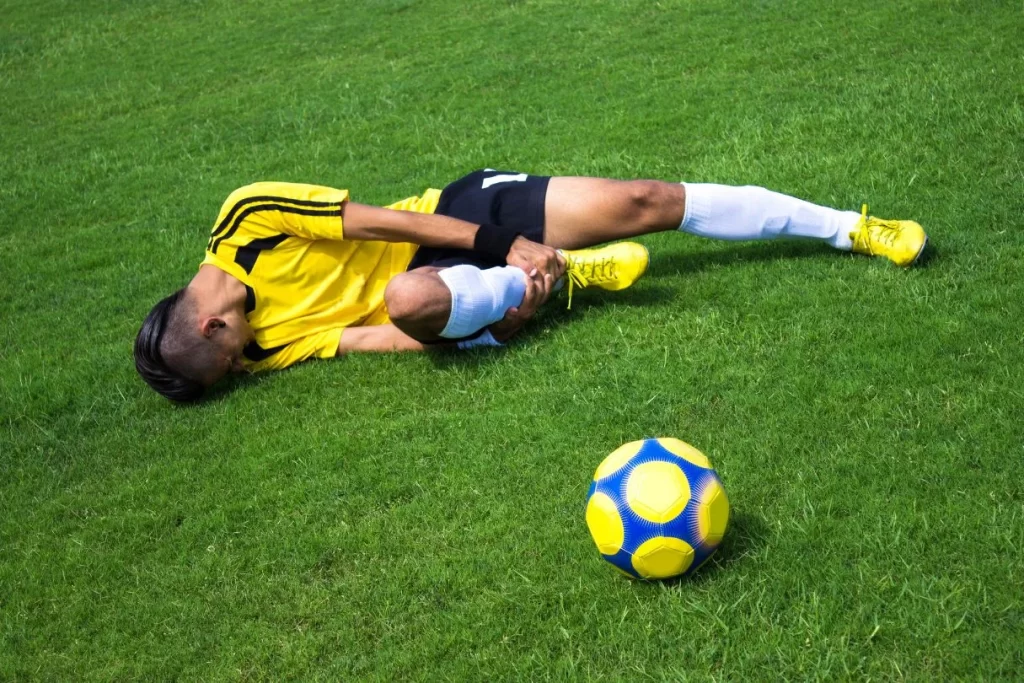
With the FIFA World Cup 2026 kicking off on 11 June, football season tends to entice recreational players back onto the pitch. Major tournaments often reignite the urge to play, as weekend sessions become more frequent and players push themselves harder than usual while trying to match the pace and intensity they see on screen. Whether played on natural grass or the firmer artificial turfs used for futsal, football places repeated stress on the feet and ankles through constant running, turning, and striking the ball, which increases the likelihood of strains and overuse-related problems.
These demands become more noticeable as players get older. Although enthusiasm remains the same, flexibility gradually declines, recovery slows, and joints and tendons tolerate repeated loading less easily than before. What begins as a mild ache after a game can start to linger into the week or return sooner with each session. Recognising the common football related injuries and knowing when to seek professional assessment by a podiatrist helps prevent smaller problems from developing into longer lasting conditions.
Common Football Related Foot and Ankle Injuries
Football places uneven loads across different parts of the foot and ankle depending on how you run, turn, and strike the ball. Some structures absorb repeated impact from the ground, while others control sudden changes in direction or stabilise the joint during play. When these areas are exposed to higher loading than they can tolerate, pain and injury begin to develop. The following are among the more common football related injuries seen in podiatry practice:
Ankle Sprains
Ankle sprains occur when the ligaments supporting the ankle joint are stretched or torn, usually after the foot twists during sudden changes in direction or awkward landings. Pain and swelling often develop around the ankle, and walking or turning movements might feel uncomfortable or unstable in the days that follow.
Achilles Tendonitis
Achilles tendonitis develops when repeated strain irritates the tendon connecting the calf muscles to the heel. Sprinting, sudden acceleration, and pushing off during play increase loading through the tendon. Pain or stiffness is often felt at the back of the heel, particularly during running or after activity.
Plantar Fasciitis
Plantar fasciitis causes pain along the heel or arch due to strain on the plantar fascia, a band of tissue supporting the foot. Repeated running and impact on firm surfaces increase stress through the heel. Symptoms are commonly felt during the first steps in the morning or after periods of rest.
Metatarsalgia
Metatarsalgia causes pain beneath the ball of the foot when repeated pressure builds across the forefoot. Running, pushing off, and striking the ball increase loading through this area, especially on firm surfaces. Discomfort is often felt during activity and might become more noticeable after longer periods of play.
Sesamoiditis
Sesamoiditis causes pain beneath the big toe joint where the sesamoid bones absorb pressure during movement. Repeated loading during running and pushing off places stress through this area. Pain is usually localised under the forefoot and worsens when weight is placed on the big toe during movement.
Subungual Haematoma
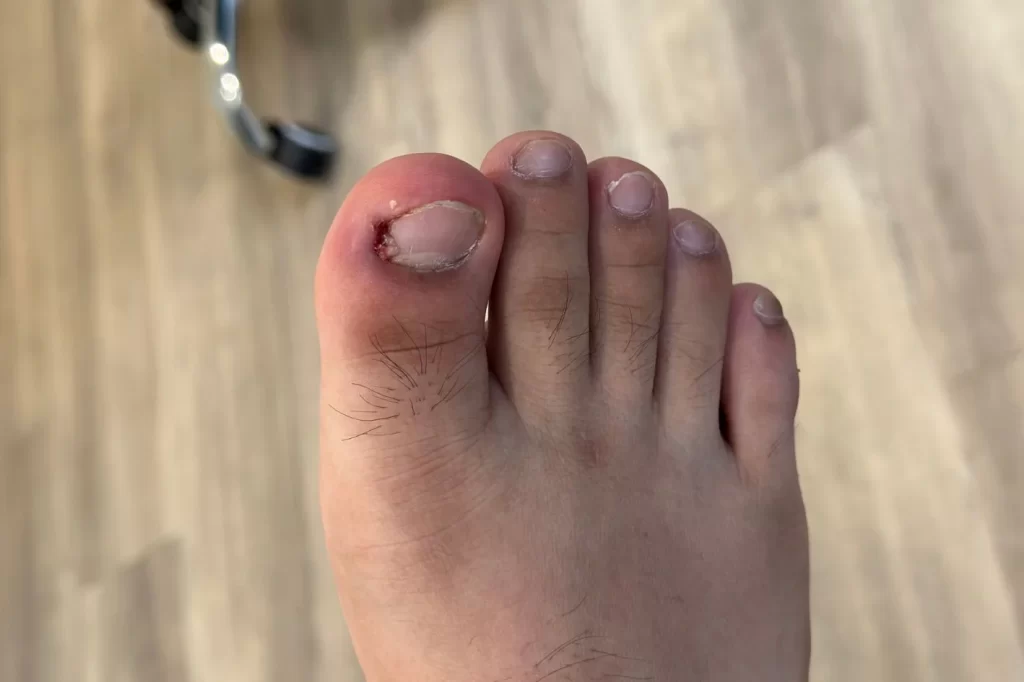
Subungual haematoma (nail trauma) occurs when repeated impact causes blood to collect beneath the toenail. This can happen when the toes strike the front of the boot during sudden stops, direct contact with the ball during toe poke shots, or accidental impact against the ground or another player’s boot.
Need Help? See A Podiatrist Today
Football Boots and Injury Risk
Football boots influence how pressure is distributed across the foot during running, turning, and striking the ball. A boot that fits poorly or doesn’t match the playing surface can increase loading on certain areas of the foot and ankle, making injuries more likely over time. Understanding how different features affect foot mechanics helps reduce unnecessary strain during play.
Boot Fit and Toe Space
Football boots that fit too tightly or don’t provide enough space in the toe box will increase pressure across the forefoot during running and ball striking. Repeated contact between the toes and the front of the boot can lead to nail trauma or pain beneath the ball of the foot, particularly during sudden stops or toe poke shots.
Cushioning and Orthotic Support
Football boots with very thin soles transmit more impact through the heel and forefoot during running and landing, especially on firm natural ground or artificial turf. Boots that allow removable insoles can accommodate custom sports insoles, which help distribute pressure more evenly and reduce repeated loading across the foot during play.
Stud Patterns and Playing Surfaces
Stud patterns influence how the boot grips and releases from the ground during running and turning movements. Bladed boots that are designed for natural grass might grip too strongly on artificial turf, increasing twisting forces through the foot and ankle. Boots suited to the playing surface allow for more controlled movement and this helps reduce unnecessary strain on the joints.
Boot Structure and Support
Lightweight football boots often use thinner and more flexible materials that allow closer contact with the ball during play. While this improves responsiveness, reduced structure provides less support for the foot during running and sudden changes in direction. Limited support can increase strain through the foot and ankle during longer or more frequent sessions.
Football Excitement Shouldn’t End in Foot Pain
Watching elite footballers sprint down the flanks or strike the ball with power can easily spark the urge to push harder during your own games. The pace and intensity might look effortless on screen, yet that level of movement comes from years of structured training, conditioning, and recovery built into a professional routine. Without that same preparation, recreational matches can place sudden and unfamiliar demands on the feet and ankles. It’s common to notice the effects only after the adrenaline settles, when soreness appears, movement feels restricted, or discomfort returns each time you play.
At Straits Podiatry, we assess how your feet respond to football-specific movements and identify the factors placing repeated stress on the joints and soft tissues. Understanding how loading patterns, footwear, and foot mechanics interact helps explain why symptoms persist. Book an appointment today for a professional evaluation and get clear answers about your football-related foot pain.