If your ingrown toenail keeps coming back every few weeks or months, you’re not imagining it, and you’re definitely not alone. At Straits Podiatry, one of the most common things we hear from patients is some version of:
“I had it sorted, but now it’s back again.”
That cycle of temporary relief followed by the same sharp pain at the nail edge is frustrating, and it usually means the root cause hasn’t been addressed yet.
This post walks through why ingrown toenails recur, what makes some people more prone than others, and what actually breaks the cycle long-term.
What Causes an Ingrown Toenail in the First Place?
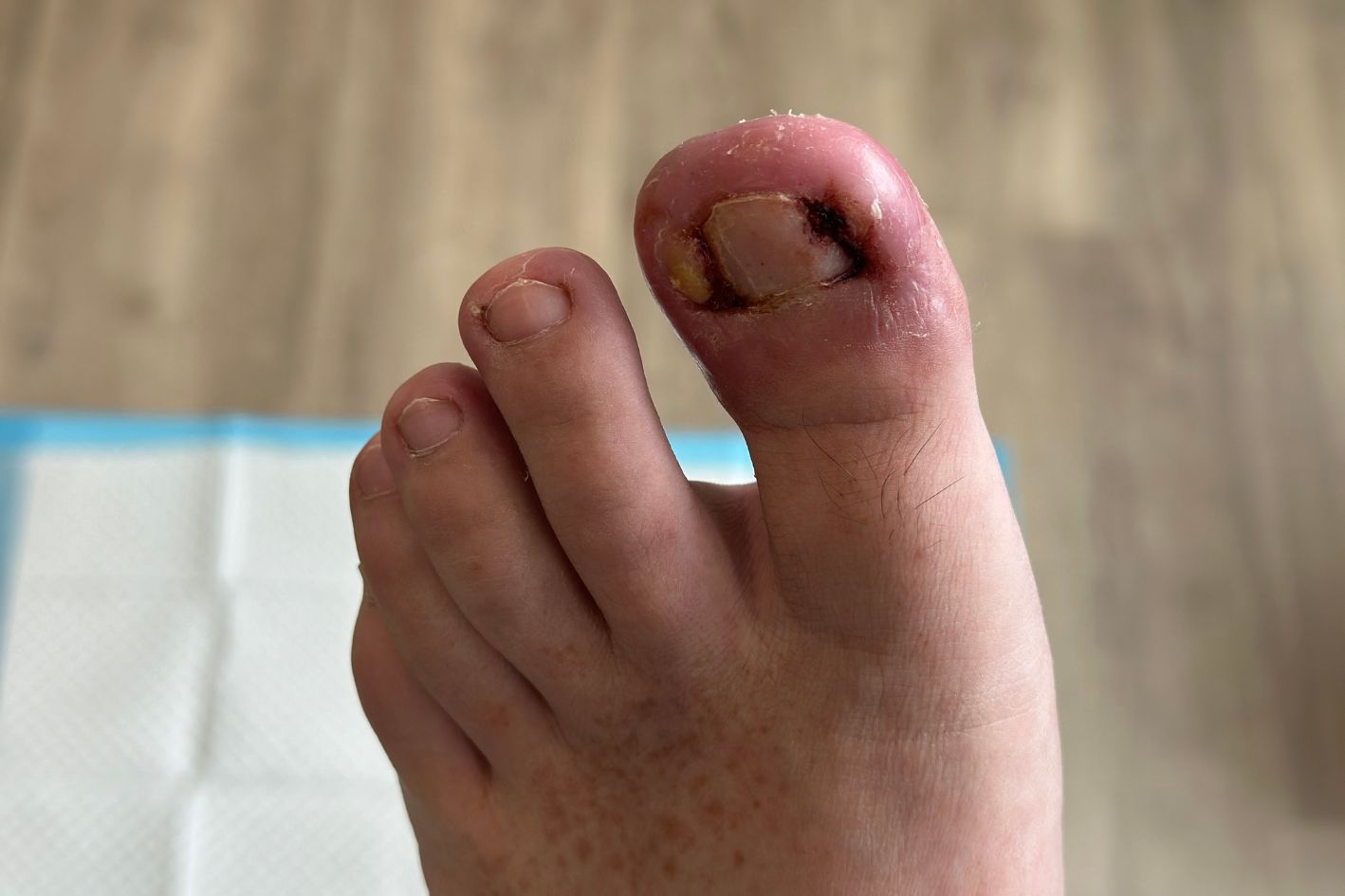
Before we can talk about why they keep coming back, it helps to understand what causes them in the first place. An ingrown toenail happens when the edge or corner of the nail grows into the surrounding skin, rather than over it. This creates pressure, inflammation, and, if left alone, infection.
There are four main reasons this happens:
The shape of your nail
Some people naturally grow nails that are more curved from side to side, which is what podiatrists call an “involuted” or “pincer” nail.
This isn’t anyone’s fault; it’s simply how that nail plate is structured. When the nail curves, the edges press down into the nail groove even as the nail grows forward normally.
No amount of trimming will change this shape on its own.
How you trim your nails
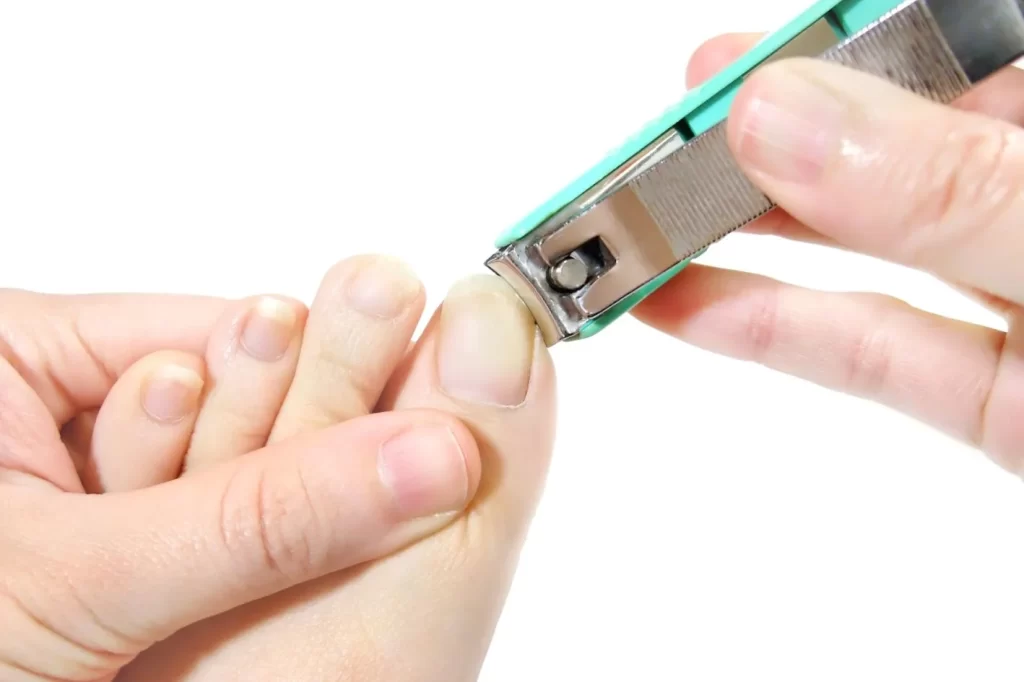
Cutting toenails too short, rounding the corners, or digging into the sides creates sharp edges or spikes that catch on the skin as the nail grows. Over time, that spike works its way deeper.
This is the most common correctable cause, and something our team addresses in almost every ingrown toenail consultation.
Footwear pressure
In Singapore, where many of us wear formal enclosed shoes for work, school shoes tend to be narrow at the front, and sports shoes are sometimes chosen by size alone without accounting for width.
The toe box width matters enormously. When toes are compressed sideways, the skin is pushed against the nail edge continuously. Add sweat from our humid climate, and you have the ideal environment for irritation to develop.
Nail trauma
A knocked or jammed toe, which is common in sport.
But the truth is, even dropping something on your foot can disrupt how the nail grows, causing it to grow at a slightly different angle or develop an irregular edge that catches on the skin.
Need Help? See A Podiatrist Today
So Why Does It Keep Coming Back?
When you’ve had an ingrown toenail treated — either at home or by a professional — but it returns, it’s usually one of these reasons:
The nail was trimmed, not resolved
Conservative trimming (cutting back the offending edge) gives relief, but it doesn’t stop the nail from growing back the same way. If the underlying nail shape or your trimming habits haven’t changed, the problem repeats in a matter of weeks.
The nail matrix wasn't treated
The nail matrix is the tissue at the base of your nail that determines how your nail grows. If the section of matrix responsible for the problematic edge is still intact and active, the nail will keep growing back in the same direction.
This is why procedures that address the matrix — such as a partial nail avulsion with chemical matrixectomy — have a success rate of around 95-97% in preventing recurrence, whereas trimming alone does not.
Footwear hasn't changed
Even after professional treatment, returning to the same tight shoes places the same pressure back on the toe. The treatment might be successful, but the triggering environment hasn’t been removed.
A fungal nail infection is involved
Thickened, distorted nails from fungal infections (onychomycosis) change the shape and texture of the nail, which can push edges into the surrounding skin. If a fungal infection is present, treating the ingrown toenail alone won’t stop it recurring.
You're trimming the nail incorrectly at home
This is incredibly common in Singapore. Many people cut toenails the same way they cut fingernails — rounding the corners — which sets up the next ingrown toenail.
We cover the right technique in detail in our guide on how to cut your toenails correctly to prevent ingrown nails.
Who Is More Prone to Ingrown Toenails?
Some people experience ingrown toenails far more frequently than others, and there are genuine anatomical and lifestyle reasons for this:
Teenagers and young adults — Nail growth is faster during adolescence, and school shoes are often narrow. This combination is very common in Singapore schools where uniform shoes leave little room for toe width.
- Athletes and active people: Repetitive toe-box pressure from running or court sports, combined with sweating, increases risk significantly.
- People with naturally curved nails: As mentioned, nail shape is largely genetic. If a parent has had recurring ingrown toenails, there’s a reasonable chance you will too.
- People with hyperhidrosis (excessive sweating): Moist skin around the nail fold is softer and more easily penetrated by nail edges.
- People with diabetes or circulation issues: These individuals are at higher risk of complications once an ingrown toenail develops, and recovery is slower.
- People with nail fungus: Fungal infection of the nails tend to change the nail shape over time, causing them to be involuted.
What Actually Breaks the Cycle?
If you’ve had your ingrown toenail treated more than twice by cutting or trimming, it’s worth having a proper podiatry assessment to understand why it keeps returning. Here’s what a long-term solution typically looks like:
Accurate diagnosis first
A podiatrist will assess not just the nail itself, but the shape of the nail plate, the depth and width of the nail groove, the condition of the surrounding skin, and whether infection or fungal involvement is present. This shapes what treatment will actually work.
A procedure that addresses the nail matrix if needed
For truly recurring cases, a partial nail avulsion is typically the most recommended option.
This minor procedure, done under local anaesthetic, removes the problematic strip of nail permanently by treating the nail matrix. It’s quick, performed in clinic, and has a low recurrence rate when done correctly.
Nail bracing for suitable candidates
In some cases, particularly when the nail is involuted but not infected, nail bracing can gradually reshape the nail plate’s growth, reducing pressure on the nail groove without surgery.
However, nail bracing may not work if the nail is entirely involuted from the matrix.
Guidance on trimming and footwear
Part of any good ingrown toenail consultation is reviewing the factors contributing to the problem. Targeting the factors with proper guidance will help reduce the risk of ingrown toenail recurrence.
Our podiatrists at Straits Podiatry will provide advice on correct trimming technique, footwear assessment, and what to watch for before the next episode starts.
When Should You See a Podiatrist?
Don’t wait until the skin is swollen, hot, or discharging. Seeing a podiatrist early, especially when the first signs of soreness appear at the nail corner, means more conservative options are available, and recovery is faster.
If your ingrown toenail has come back two or more times, that’s a clear signal that trimming alone isn’t solving the underlying issue. A proper assessment at Straits Podiatry can identify exactly why it keeps recurring and map out a plan to stop the cycle.