Patellar Tendonitis Symptoms, Causes, and Management
Patellar Tendonitis Symptoms, Causes, and Management
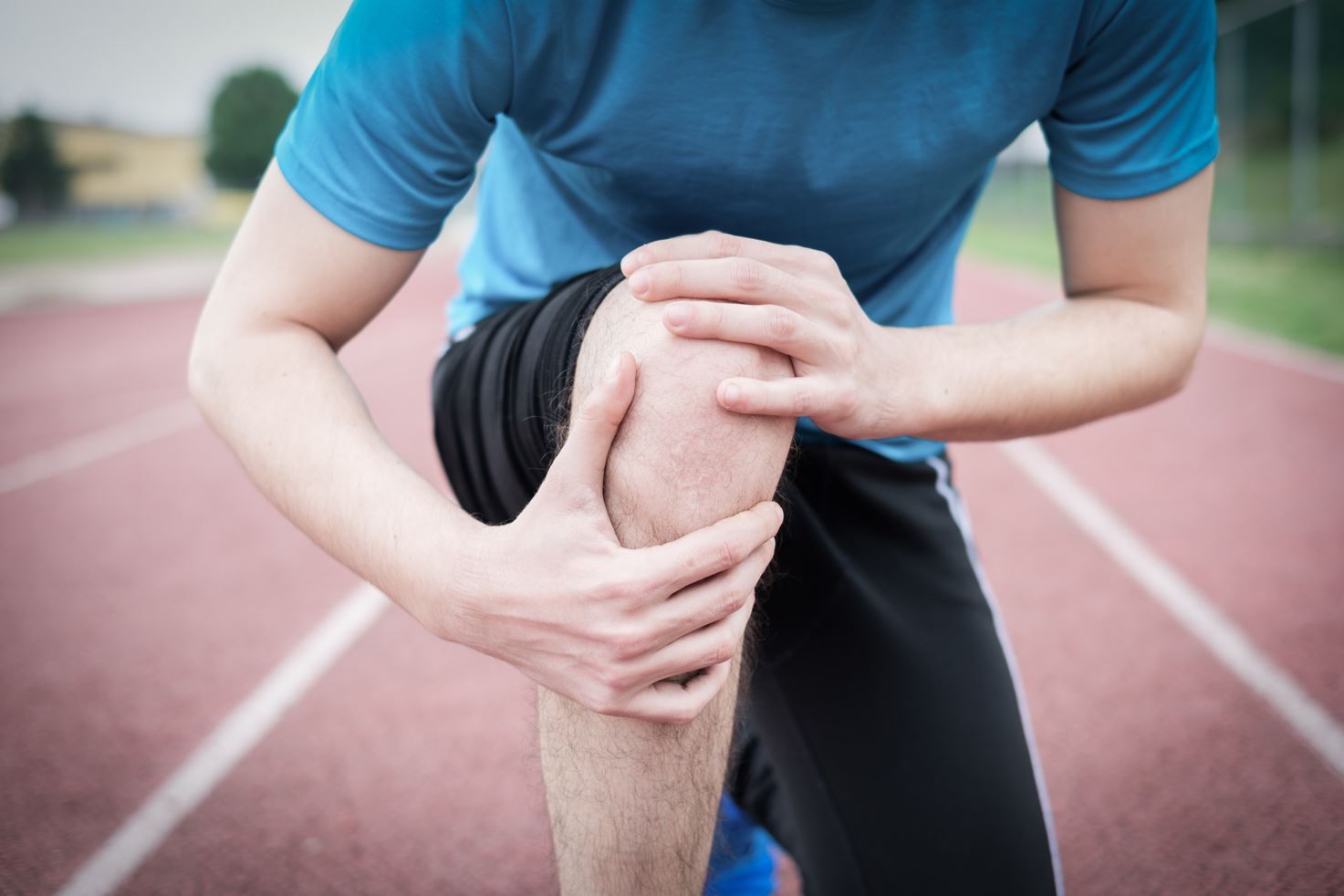
You bend your knees slightly as you get ready to rise for a basketball shot, load up for a volleyball spike, or push off for a badminton smash, and that familiar pain suddenly catches at the front of the knee. At first, it might feel like a niggling soreness just below the kneecap that only shows up during training or after sport. Yet when it starts returning more often, feels sharper with jumping, landing, squatting, or climbing stairs, and lingers longer than expected, it becomes harder to dismiss as a minor strain.
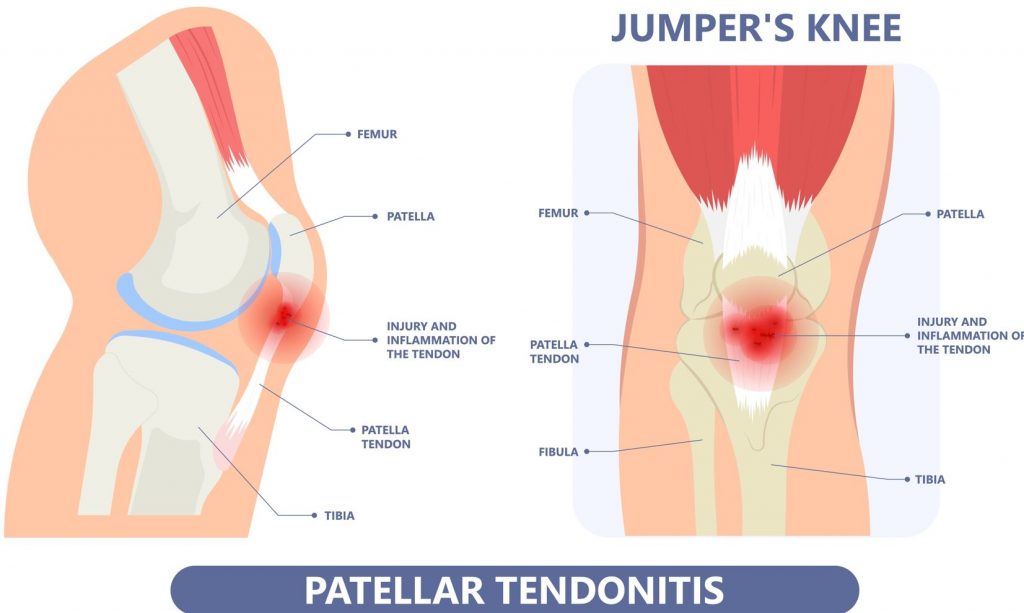
In many cases, this points to irritation of the patellar tendon. This is the structure just below the kneecap that connects it to the shin bone (tibia), helping the knee handle force each time you attempt a jump or push off. Because of its role, repeated loading can aggravate the tendon, especially when training volume increases or recovery is inadequate. What starts as occasional discomfort can then develop into persistent pain when you play sports or exercise.
This condition is commonly known as patellar tendonitis, and it’s also known as “jumper’s knee” because as its name suggests, it’s frequently seen in sports that involve repeated jumping. You might also come across terms such as patellar tendinitis or patellar tendinopathy, which are often used to describe the same general problem affecting the tendon. For someone trying to make sense of ongoing pain in this area, recognising the symptoms is usually the clearest next step.
Symptoms of Patellar Tendonitis
When the patellar tendon becomes irritated, the symptoms often become more noticeable through the way the pain behaves with movement and activity. The following signs can help you recognise how patellar tendonitis might present:
- Anterior Knee Ache – Many people first notice a low, dull ache that can become more pronounced as the tendon becomes more irritated.
- Pain Under Load – Early on, the discomfort might only appear at the start of exercise or after a harder session, before becoming more persistent over time.
- Pain with Movement – Symptoms often become more noticeable when bending or straightening the knee, especially during squatting, jumping, or stair climbing.
- Tenderness on Touch – The area just below the kneecap might feel sore even with light pressure over the tendon.
- Stiffness After Rest – The knee might feel stiff, which can make movement feel less comfortable, particularly after rest or inactivity.
- Reduced Function – As the problem progresses, the pain can start to interfere not only with sport, but also with everyday movement and overall function.
髌腱炎的病因
Once the symptoms start becoming more noticeable, the next question is usually why the tendon has become irritated. In most cases, the answer lies in repeated strain over time, especially when forceful activity keeps outpacing the body’s ability to recover. Still, this problem doesn’t always begin with one obvious change, because it can also build gradually when training load rises too quickly, recovery is inadequate, or tightness and imbalance in the leg muscles place more strain on the tendon.
What Causes Patellar Tendonitis?
- Repeated jumping, sprinting, or other forceful movements through the knee can gradually irritate the patellar tendon over time.
- A sudden increase in training intensity, frequency, or load can overwhelm the tendon before it has adapted to the change.
- Inadequate recovery between activity sessions can make it harder for the tendon to settle and repair.
- Tightness in the quadriceps or hamstrings can increase strain through the front of the knee and place more stress on the tendon.
- Muscle imbalance in the legs can alter how force is shared through the knee and increase the load passing through the tendon.
Who Carries a Higher Baseline Risk?
- People who play sports involving repeated jumping, sprinting, or sudden changes of direction are more likely to place high stress on the patellar tendon.
- People who train at a high intensity or high volume each week can face a greater risk of tendon overload.
- People with physically demanding jobs or hobbies can also place repeated strain through the tendon over time.
- Males are more commonly affected by patellar tendonitis as compared to females.
- Patellar tendon problems are also seen more often after the age of 40.
- Certain medical conditions such as diabetes, kidney failure, lupus, and rheumatoid arthritis (RA) might increase the likelihood of tendon related problems.
Managing and Preventing Patellar Tendonitis
Managing patellar tendonitis usually starts with reducing the strain that keeps aggravating the tendon and giving the area enough time to settle. In many cases, conservative care is enough to ease pain and improve function, especially when the problem is recognised early and activity is adjusted before the tendon becomes more persistently irritated.
Some common ways to manage patellar tendonitis include:
- Reducing or pausing the activities that keep aggravating the tendon, especially jumping, sprinting, squatting, or other repeated loading through the knee.
- Using the RICE method at home with rest, ice, compression, and elevation after activity to help settle pain and reduce irritation around the tendon.
- Taking anti-inflammatory medication such as non-steroidal anti-inflammatory drugs (NSAIDs) if advised, to help relieve pain and inflammation.
- Wearing a brace, strap, or other support in some cases to reduce strain on the tendon during recovery.
- Going for physiotherapy to improve flexibility, strengthen the surrounding muscles, and support better movement through the knee.
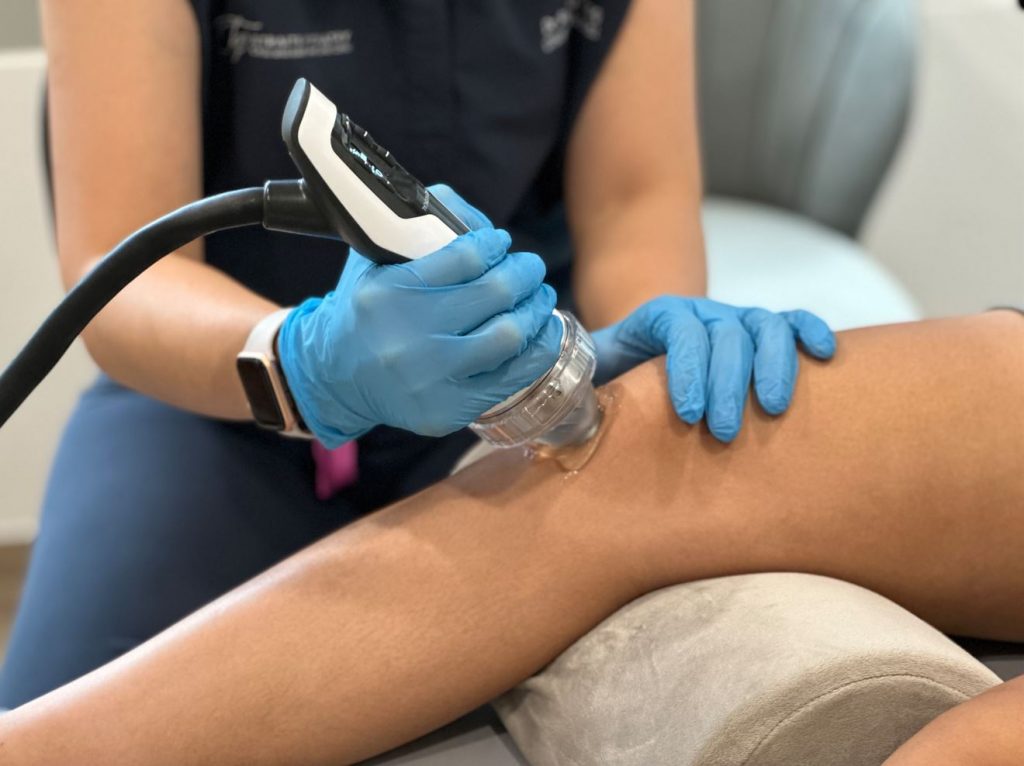
- Undergoing a series of focused extracorporeal shockwave therapy can help to stimulate regenerative response for chronic cases
To help reduce the risk of the problem returning, it’s also worth paying closer attention to the habits and factors that might keep overloading the tendon:
- Don’t push through knee pain during sport or exercise, as this can place more stress on the tendon and make it harder to settle.
- Build up training intensity, volume, or frequency gradually rather than increasing load too quickly.
- Make room for proper rest and recovery between sessions of intense or repeated physical activity.
- Warm up before training and cool down afterwards, especially when the activity involves jumping or sprinting.
- Work on strength, flexibility, and control around the knee so the tendon is better supported during movement.
- Pay closer attention to technique and movement habits, especially when starting a new sport or increasing demand.
- Maintain a healthy body weight and avoid smoking, as both can affect the amount of strain on the area and how well the tendons recover.
When symptoms become more persistent or harder to ignore, it’s worth seeking proper attention so that the problem can be understood more clearly and the most appropriate next steps can be considered.
Frequently Asked Questions About Patellar Tendonitis
What is another name for patellar tendonitis?
Patellar tendonitis is also commonly known as jumper’s knee. The term comes from the way this condition often develops in sports that involve repeated jumping, landing, and forceful use of the knee. Still, it’s not limited to athletes alone, because any repeated strain through the patellar tendon can trigger the problem. You might also come across terms such as patellar tendinitis or patellar tendinopathy, which are often used to describe the same tendon issue.
Can patellar tendonitis heal on its own?
Patellar tendonitis can improve on its own, although that usually depends on whether the tendon is given enough time and the right conditions to settle. If the knee is being loaded repeatedly through the same aggravating activity, recovery often slows and symptoms might linger. In many cases, the tendon gradually improves when load is reduced, pain is managed early, and the surrounding muscles are supported through stretching, strengthening, and a more measured return to activity.
Is walking bad for patellar tendonitis?
Walking is usually manageable for patellar tendonitis, especially when it’s done at a comfortable pace on flat ground and doesn’t provoke significant pain. In fact, gentle walking is encouraged to help keep the knee moving and reduce stiffness. Even so, it shouldn’t be forced if symptoms become more noticeable during or after activity. Longer distances, hills, and faster walking can place more strain on the tendon, so it’s important to pay attention to how the knee responds.
Can my patellar tendonitis symptoms worsen over time?
Yes, patellar tendonitis symptoms can worsen when the tendon continues to be overloaded without enough time to recover. Early on, the pain might only appear after sport or at the start of activity. Yet if the same strain keeps building, it can become more persistent and start showing up before, during, and after movement. Once that happens, the condition often becomes harder to settle, and recovery can take longer because the tendon has been under repeated irritation for far too long.
How can patellar tendonitis be prevented?
Patellar tendonitis is best prevented by managing how much strain is placed through the knee over time. This usually means avoiding the habit of pushing through pain, building up training gradually, and allowing enough recovery between sessions. It also helps to warm up before exercise, cool down afterwards, and work on strength and flexibility around the knee so the tendon is better supported. Once symptoms start appearing, early adjustment is often the best way to stop the problem from progressing.